How Cleaner Shared Spaces Help Reduce the Spread of Germs
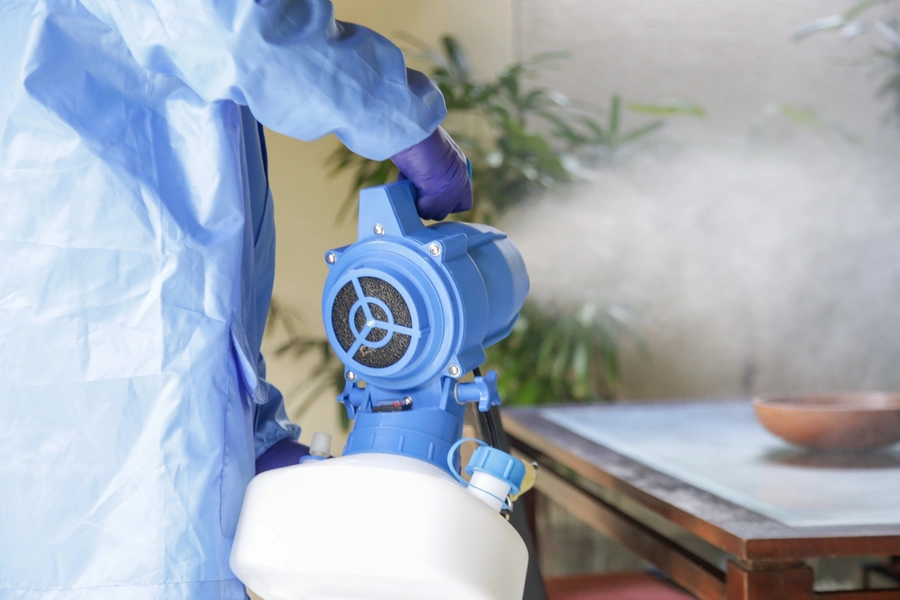
Sanitizing cleaning helps prevent illnesses by lowering the number of germs on surfaces people touch every day. When desks, doorknobs, counters, sinks, and shared tools stay cleaner, fewer viruses and bacteria move from one person to another. In homes, schools, offices, and public spaces around Spring Valley, NY, regular surface care can help cut down the risk of colds, stomach bugs, and other common sicknesses.
Why Prevention Matters
Germs spread fast in busy places. One sick person can touch a door handle, a light switch, or a break room counter. After that, many others may touch the same spot. If they then touch their eyes, nose, or mouth, germs can enter the body. That is why sanitizing is such a helpful part of illness prevention. It does not replace handwashing or staying home when sick, but it adds another layer of protection.
Regular cleaning removes dirt and grime. sanitizing goes a step further by reducing many harmful germs left behind on hard surfaces. This matters most in places where people share space for hours at a time. A cleaner setting can support better health, fewer sick days, and more peace of mind.
Early Warning Signs
Some signs show that a space may need more attention. The area may look tidy at first, but hidden germs can still build up. Watch for patterns that suggest your current routine is not enough.
- People in the space get sick often
- Shared surfaces are touched all day
- Restrooms run low on soap or paper often
- Trash cans fill up too fast
- Food crumbs or spills stay on counters
- Bad smells keep coming back
- High-touch spots are easy to miss during basic cleaning
These warning signs do not always mean a place is dirty. They often mean the cleaning plan needs to be more consistent. In many buildings, the problem is not effort. It is that key areas get skipped during busy days.
Seasonal or Routine Checklist
A simple routine helps stop germ buildup before it turns into a bigger issue. Some tasks should happen daily, while others may need extra attention during cold and flu season or after heavy foot traffic. A service category keyword can fit into a wider janitorial plan that covers both daily messes and health-focused surface care.
- Wipe high-touch surfaces every day
- Clean and sanitize restrooms on a set schedule
- Empty trash before it overflows
- Disinfect shared tools, tables, and break room areas
- Restock soap, towels, and toilet paper
- Check entry points, handrails, and elevator buttons
- Increase sanitizing during illness outbreaks
This kind of checklist helps staff or property managers stay organized. It also makes it easier to spot weak points in the routine. For example, a front desk may be wiped each morning, but the card reader and pens may be touched all day without follow-up cleaning.
Best Practices for Long-Term Results
Good habits make a big difference over time. One of the best steps is to focus on the surfaces people touch the most. These include faucet handles, phones, keyboards, refrigerator handles, shared tables, and door plates. If these spots stay on a steady schedule, the whole space becomes healthier.
It also helps to use the right products the right way. A surface usually needs to be cleaned before it is sanitized. Dirt can block the product from working well. Contact time matters too. Some products need to stay wet for a short time before wiping. If someone sprays and wipes too fast, the product may not do its job.
Training also matters. When workers know what to clean, when to clean it, and how to use products safely, results improve. A clear routine is often better than random deep cleaning once in a while. Steady work beats guesswork.
What Not to Do
Some common mistakes can make sanitizing less helpful. One mistake is thinking that a nice smell means a surface is safe. Smell does not tell you how many germs are present. Another mistake is only cleaning what people can see. Germs often collect on small shared items that are easy to miss.
Avoid using one cloth on many surfaces without changing it. That can spread germs around instead of removing them. Also avoid mixing products. That can be unsafe and may damage surfaces. Skipping hand hygiene is another problem. Even the cleanest room still needs people to wash their hands often.
When to Schedule Professional Help
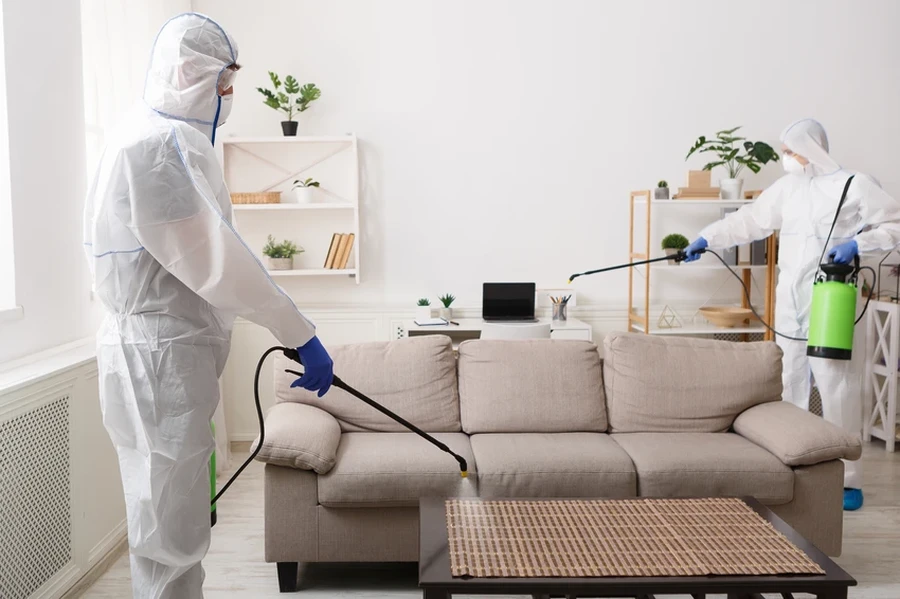
Sometimes a basic routine is not enough. If a building has heavy traffic, frequent illness, or sensitive spaces like clinics, daycares, gyms, or large offices, professional help may be the better choice. A trained team can build a plan around touchpoints, traffic flow, and problem areas. They can also handle larger jobs after illness outbreaks, special events, or seasonal spikes in sickness.
Professional support can also help when managers want more steady results. Instead of reacting after people get sick, they can set up a plan that lowers risk all year. That approach often works better for shared spaces where many hands touch the same surfaces every day.
Final Recommendation
For healthier spaces in Spring Valley, NY, we can help build a sanitizing routine that fits your needs. At K & T Cleaning Services LLC, we focus on practical cleaning steps that support safer shared areas. Call us at (845) 613-9056 to talk about a plan that works for your property.