How Clean Surfaces Stay Safer and Why Method Matters
Effective sanitizing works best when the right product, the right surface prep, and the right contact time all come together. In simple terms, dirt must be removed first, the sanitizer must match the surface, and it must stay wet long enough to do its job. That is the science behind better results. Good cleaning lowers soil and grime, while sanitizing cuts down germs to a safer level. When people skip steps, the surface may look clean but still not be treated well.
Quick Answer
The science behind sanitizing is simple. Germs stick to dirty surfaces, and many products cannot work well through grease, crumbs, or films. That means basic cleaning often comes before sanitizing. Heat, moisture, dwell time, and the type of material also affect results. A smooth counter is easier to treat than a rough fabric chair. In many homes and workplaces, a smart routine matters more than using more product.
What You Need Before Starting
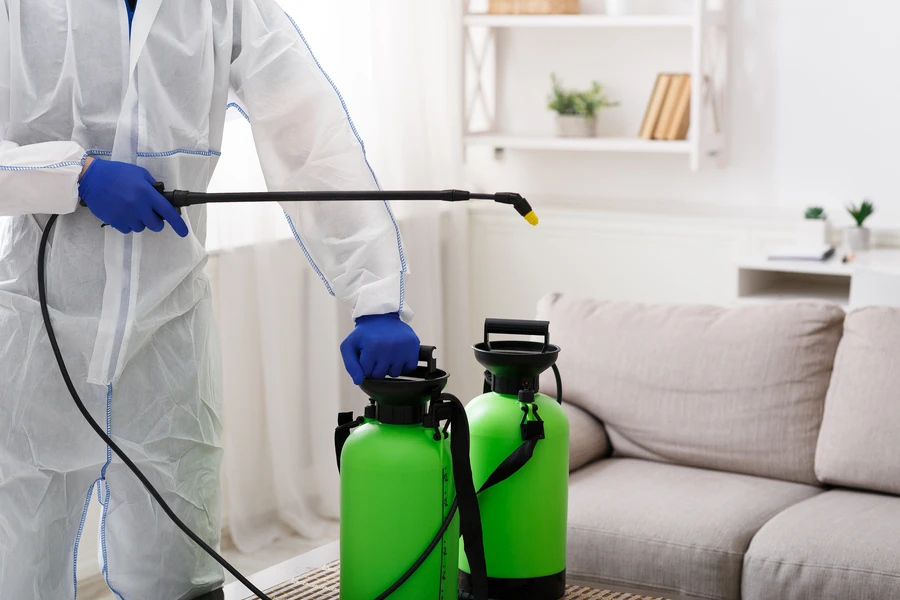
Before any sanitizing starts, gather the right supplies and read the label. The product directions matter because different items need different steps. Some sprays need a few minutes on the surface. Others need rinsing after use if they touch food areas. This is true for many tools used in the cleaning process and in a wider service category.
- Microfiber cloths or disposable wipes
- Soap or general cleaner for removing dirt first
- A sanitizer made for the surface you are treating
- Gloves if the label calls for them
- A timer or phone clock for contact time
- Good airflow in the room
It also helps to know which spots get touched the most. Door handles, light switches, desks, faucets, phones, and shared tables often need more attention than walls or low-use corners.
Step-by-Step Process
A clear process helps you get better and more even results. Skipping one step can lower the effect of sanitizing, even if the product itself is strong.
- Remove loose dirt, crumbs, or dust from the surface.
- Wash the area with soap or a general cleaner.
- Dry or wipe away extra residue if needed.
- Apply the sanitizer across the full surface.
- Keep the area wet for the full label time.
- Let it air dry, or rinse if the label says to.
- Use clean cloths so you do not spread soil back.
For example, think about a break room table. If juice or grease is left behind, the sanitizer may not reach the surface well. A quick wash first helps the next step do its job. The same idea applies in kitchens, bathrooms, schools, offices, and health-focused spaces.
Common Mistakes to Avoid
Many people think more product means better sanitizing, but that is not always true. Too much liquid can leave heavy residue. Too little can dry too fast. Another common mistake is wiping the product away right after spraying it. If the label says the surface should stay wet for three minutes, that time matters.
Here are mistakes that often lower results:
- Spraying onto visible dirt without cleaning first
- Using one cloth on many surfaces without changing it
- Mixing products that should never be combined
- Guessing contact time instead of checking the label
- Using the wrong product on stone, wood, or electronics
- Forgetting high-touch spots people use every day
Another issue is poor storage. Some products break down in heat or sunlight. If they are old or stored the wrong way, they may not work as expected. Simple habits like checking labels and dates can help a lot.
When to Call a Professional
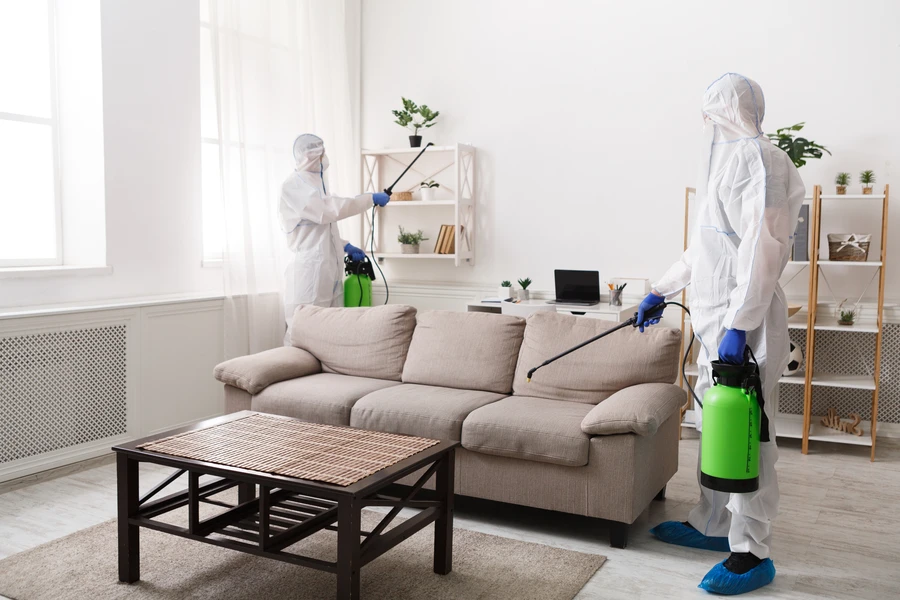
Some jobs need more than a basic home routine. Large shared spaces, post-illness cleanup, food service areas, childcare spaces, and high-traffic buildings may need a trained team. Professionals can choose the right methods for each material and use tools that help cover areas evenly.
You may want expert help if:
- Odors keep coming back after repeated cleaning
- Shared surfaces need treatment on a set schedule
- You are dealing with sensitive materials or electronics
- The area is large and hard to manage alone
- You need a documented process for a workplace
Professional service can also help when surfaces need both appearance care and sanitizing support. This matters in places where people expect clean, safe, and tidy rooms every day.
Final Recommendation
At K & T Cleaning Services LLC, we help property owners build simple routines that fit real daily use. If you need help with sanitizing in Spring Valley, NY, call us at (845) 613-9056. Our team can answer questions, explain safe next steps, and help us find the right approach for your space.